Episode 47

Feeding Hope, Finding Strength
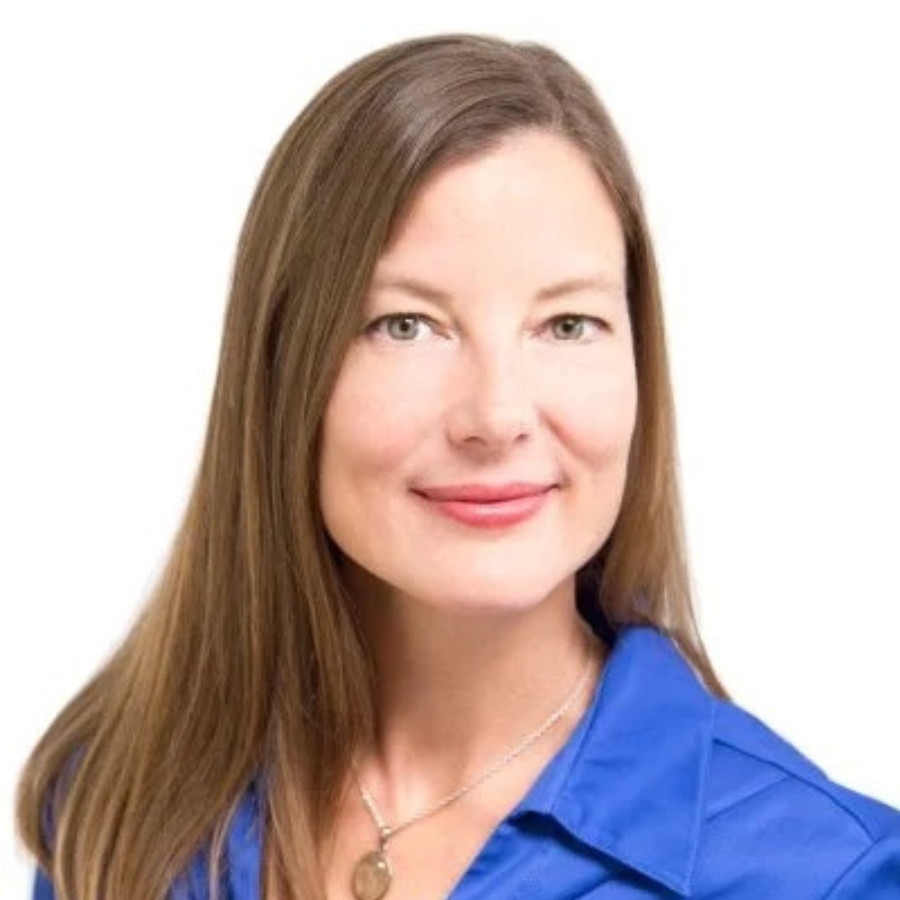
with Patrice Surely

What if the key to healing isn’t just treatment, but how you support your body along the way?

We are joined by Patrice Surley, oncology nutritionist and functional health expert with over 25 years of experience helping patients strengthen their bodies during cancer care. Patrice blends evidence-based nutrition with whole-person support, working alongside medical teams to improve outcomes and quality of life.  

Her journey began with her own health struggles, where diet and lifestyle changes made a real difference. That personal turning point shaped her belief that healing starts by meeting each person where they are and helping them take simple, meaningful steps forward.

Patrice explains the concept of immuno stress and how factors like poor nutrition, sleep, and emotional strain can weaken the immune system. She shares practical tools such as increasing colorful fruits and vegetables, prioritizing protein, and addressing root causes instead of masking symptoms. Her work focuses on reducing side effects, improving tolerance to treatment, and helping patients feel more in control.

Her message is clear and hopeful. Healing takes time. Small changes matter. Stay open, stay consistent, and trust that progress is possible even in the hardest moments.

Highlights:

  1. How small nutrition changes can unlock big shifts in recovery
  1. Why treating root causes can improve cancer treatment outcomes
  1. What immuno stress means and how it affects healing
  1. How to work with your medical team for whole-person care
  1. Why simple habits often outperform complicated health plans

Mentioned Resources:

CanCare- www.cancare.org  

Book – www.cancare.org/hopebook

Patrice’s website - https://www.patricesurley.com/

About the Guest:  

Patrice Surley is an oncology nutritionist and functional health expert with more than 25 years of experience helping people heal from the inside out. Her approach is rooted in evidence-based care, but what truly sets her apart is her heart: the way she listens, partners with patients, and helps them understand what their bodies need to restore balance and strength. Patrice works alongside oncologists, functional medicine doctors, and organizations like Do Cancer, helping patients build care teams that support the whole person: body, mind, and spirit.
Explore other Podcast Episodes

Ep 58

Community is Medicine

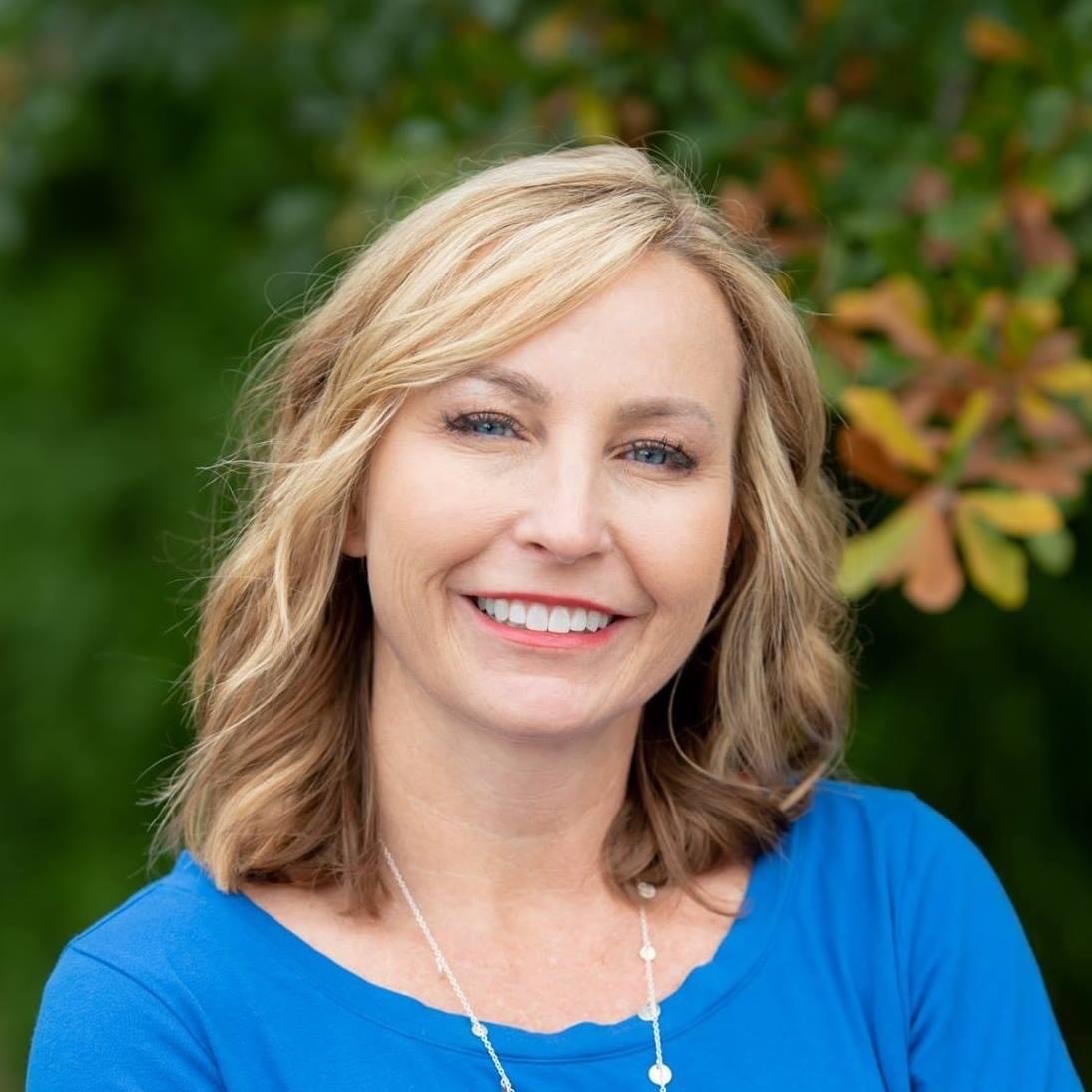
with Loki Villaseñor
How can community, creativity, and support help someone keep moving forward after cancer treatment ends? Loki Villaseñor is a father of eight, health and safety professional, writer, and head and neck cancer survivor. After finding a lump on his neck in early 2025, Loki was diagnosed with HPV-positive head and neck cancer and faced seven weeks of chemotherapy and radiation. Treatment brought pain, exhaustion, feeding challenges, and emotional strain. It also changed the way Loki saw support. Through the Memorial Hermann Canopy Cancer Survivorship Center in The Woodlands, Texas, he found free programs for survivors and families, including men’s lunches, a working professional’s support group, counseling resources for his children, and virtual classes. What began as something he thought might help his family became a source of community and healing for him too. Loki also turned to writing, creativity, gratitude, faith, and service as tools for processing life after treatment. His experience taught him that progress is not always uphill and that healing can continue long after treatment is complete. His message is simple: you do not have to climb alone. Support, connection, and hope can help you take the next step. Even small steps can carry you forward each day. Highlights:  Why emotional recovery may continue long after cancer treatment officially ends. The value of finding people who understand cancer without needing every feeling explained.  Ways creativity and writing can help give grief, gratitude, and change a place to go.  How survivorship programs can support not only the person with cancer, but their family too.  Why accepting help and helping others can become part of moving forward. Memorial Hermann Canopy Cancer Survivorship Center A key part of Loki’s story is the support he found through Memorial Hermann Canopy Cancer Survivorship Center in The Woodlands, Texas. Loki first thought its services would be most helpful for his wife and children. He later found a community that supported his own life after treatment. He participated in men’s lunches, a working professionals cancer support group, Voices of Hope, and an online Spanish class. His children also received access to counseling support. Loki describes Canopy as a place where he could be heard without feeling like a burden or having to explain every part of his cancer experience. Mentioned Resources: CanCare- www.cancare.org About the Guest: Loki Villaseñor is a head and neck cancer survivor, father of eight, health and safety professional and a writer. In January 2025, he found a lump on his neck. Along the way, he found support through programs at Memorial Hermann's Canopy Survivorship Center and turned to writing and drawing as a creative outlet for healing. Today he is cancer-free and often connects with other survivors to help them through their own journeys.
Ep 57

The Gift Wrapped in Barbed WIre

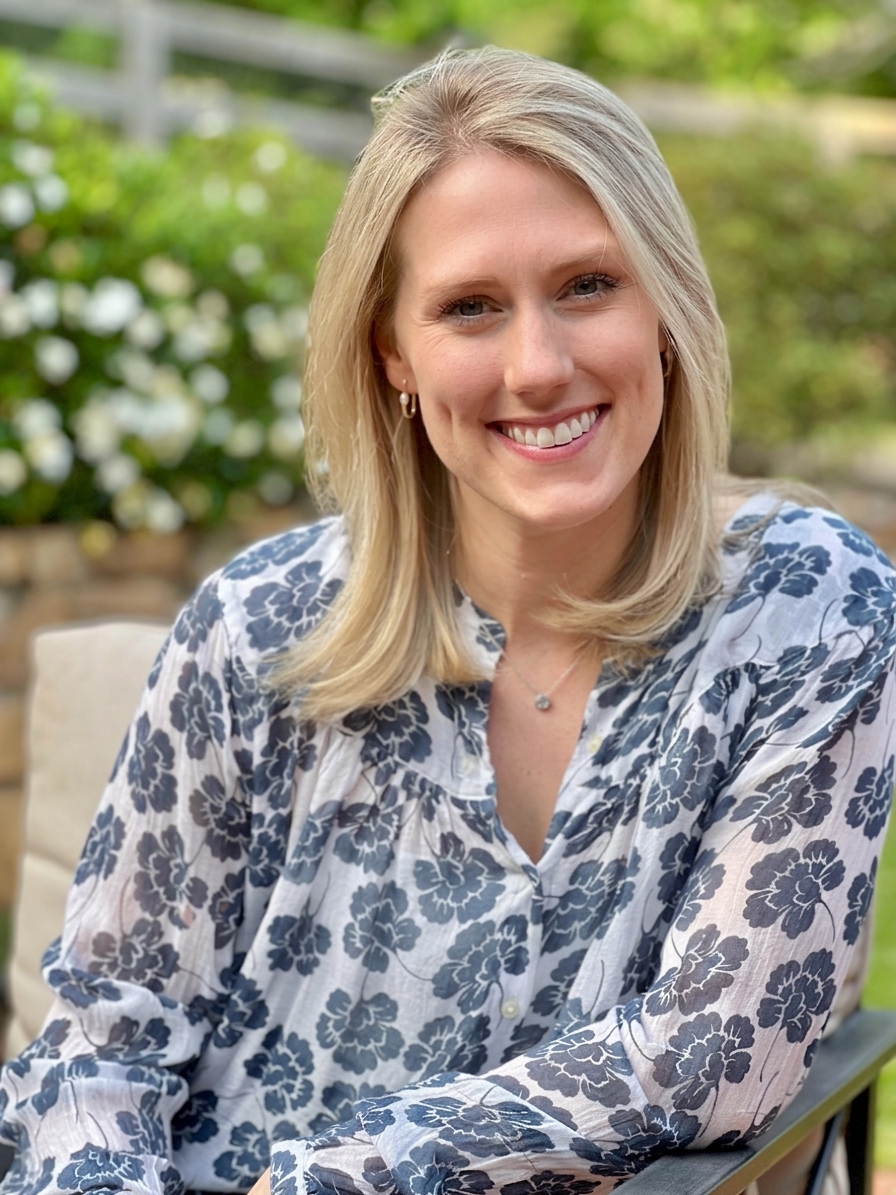
with Dee Manuel
Can a second cancer diagnosis become the moment that finally leads you back to yourself? Dee Manuel is an 18-year breast cancer survivor, coach, author, speaker, CanCare volunteer, and member of the Greater Houston Sisters Network. Diagnosed with stage two breast cancer at 35, Dee faced chemotherapy, radiation, surgery, and a recurrence three years later. Her story explores breast cancer recovery, caregiver support, emotional stress, authentic living, and turning pain into purpose. After her second diagnosis, a compassionate nurse urged Dee to reduce the stress in her life. Those words became a turning point. Dee began to face the emotions, fear, and people-pleasing patterns she had buried for years. She made hard choices, learned to care for herself without guilt, and found the courage to live honestly. Dee shares her “E plus R equals O” tool, which shows how our response to an event can shape its outcome. She also explains why movement, nourishing foods, emotional care, and community support became part of her healing. Now, she supports survivors and caregivers with the wisdom she gained. Her message is simple: look for the gift, even when it comes wrapped in barbed wire. Pain can reveal your strength, purpose, and hope. Highlights:  How to recognize when stress, fear, or hidden emotions may be calling for deeper care.  Why putting yourself first can help you become more present for the people you love.  A simple way to separate difficult events from the meaning you give them.  How sharing your experience can support others while continuing your own healing.  Why courage often means taking action while fear is still present. Mentioned Resources: CanCare- www.cancare.org Book – www.cancare.org/hopebook Dee’s website About the Guest: Dee Manuel is a two-time breast cancer survivor, coach, author, and speaker who helps others turn pain into purpose. After being diagnosed with Stage II breast cancer at 35, and facing a recurrence three years later, Dee discovered the connection between stress, suppressed emotion, and disease, and used that insight to rebuild her life around authenticity and self-worth. She now works with clients through her signature trifecta philosophy, guiding them from survival to purpose. Dee is deeply involved with the Greater Houston Sister Network and serves as a CanCare volunteer, walking alongside others the way someone once walked alongside her.