Episode 1

Hope in the Face of Cancer: Empowering Stories and Support

with Darcie Wells

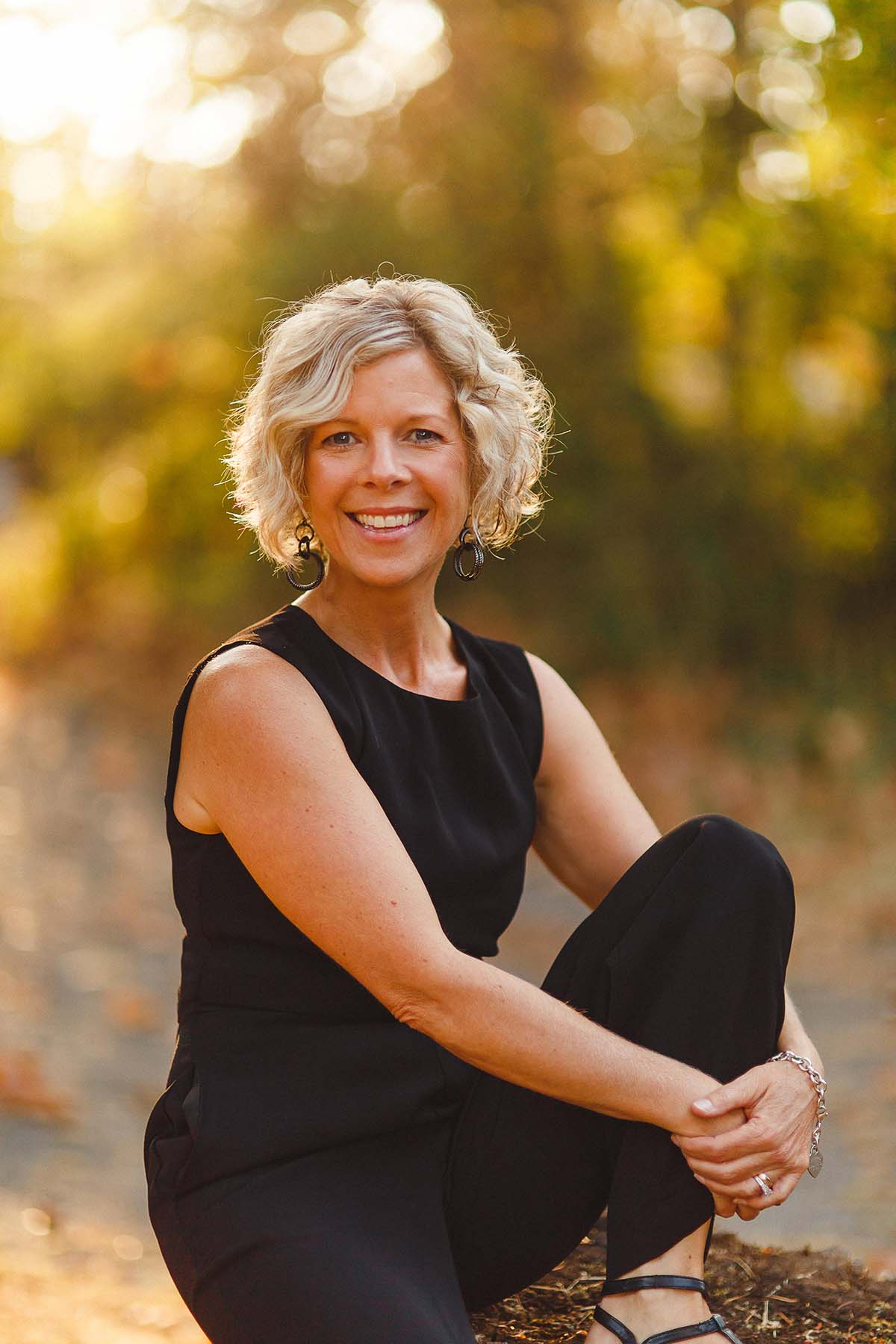
In this premiere episode of "Hope in the Face of Cancer’ your host, Darcie Wells, shares her hopes for the podcast. In upcoming episodes, she aims to inspire and support those affected by cancer through real stories and shared experiences. Aligning with the mission of CanCare, a nonprofit providing hope and healing through one-on-one emotional support, health care visitations, and online groups, this podcast aims to share personal testimonials, practical advice, and engaging conversations, that foster a sense of community and offer hope.

Explore other Podcast Episodes

Ep 54

When Medicine Meets Compassion

with Susan Sabo-Wagner and Isabel Verastegui
What if one of the most powerful forms of cancer support comes from someone who has already walked the path before you? Darcie Wells sits down with Susan Sabo-Wagner, Vice President of Clinical Innovation at the American Oncology Network (AON) , and Isabel Verastegui, Manager of Care Coordination at AON, to explore how personal cancer experiences can shape the way patients are supported. Susan shares how a leukemia diagnosis at age 17 influenced her lifelong career in oncology nursing, while Isabel reflects on being diagnosed with triple-positive breast cancer at 41 while working in the oncology field herself. Both women open up about fear, uncertainty, treatment, and the support systems that helped them move forward. Their conversation highlights the importance of community oncology, the value of receiving care close to home, and the life-changing impact of peer support. Isabel explains how finding CanCare during treatment helped ease her anxiety and inspired her to become a volunteer for others facing cancer. Susan shares why emotional support is just as important as clinical care and how hope can help people navigate even the most difficult moments. This episode is a reminder that no one should face cancer alone. Whether you're in treatment, supporting a loved one, or navigating survivorship, there is strength in connection, comfort in shared experience, and always hope ahead. Highlights: • Why peer support often provides reassurance that even the best medical team cannot offer. • How community oncology is helping more people access high-quality cancer care closer to home. • Practical ways to manage fear, uncertainty, and anxiety after a cancer diagnosis. • What survivors learn about gratitude, perspective, and living one day at a time. • How healthcare organizations are expanding support beyond treatment to address emotional well-being. Mentioned Resources: CanCare- www.cancare.org AON - https://www.aoncology.com/ About the Guest: Susan Sabo-Wagner is an oncology certified nurse executive, Vice President of Clinical Innovation at the American Oncology Network, and a living testament to the resilience that defines the cancer journey. Diagnosed with leukemia as a teenager, Susan faced the fear and uncertainty that comes with a diagnosis that changes everything and came out the other side with a calling. She has spent her career transforming how cancer patients experience care across the country, bringing to that work something no credential can teach: the knowledge of what it truly means to sit in that chair. Isabel Verastegui is a Care Coordination Manager at the American Oncology Network, where she has spent 12 years working with cancer patients. In January 2022, at just 41 years old, Isabel was diagnosed with triple-positive breast cancer. Cancer did not stop her. It deepened her. Today she shows up not only for her patients at AON but as a CanCare volunteer for other women who find themselves navigating their own cancer journeys.
Ep 53

Cancer Researcher Becomes Survivor

with Larry Coffer
What can a cancer researcher teach us when he suddenly finds himself sitting in the patient chair? Larry Coffer spent more than 20 years at MD Anderson Cancer Center supporting ovarian and breast cancer research, helping teams develop treatments and improve outcomes for patients. Long before his own diagnosis, cancer shaped his life through his stepfather’s battle with colon cancer. That experience inspired a career dedicated to helping others. Then, while training for a marathon, a routine physical revealed a rare cancer called extramedullary plasmacytoma. What began as a standard checkup quickly became a life-changing journey. Larry shares what it was like to move from researcher to patient, receive treatment at the institution where he built his career, and navigate the uncertainty that comes with a rare diagnosis. He opens up about the emotional toll of cancer, the importance of leaning on friends, family, faith, and community, and how running helped him process the experience. He also discusses his work as a stem cell donor and advocate, helping others understand the life-saving impact of bone marrow and stem cell donation. Larry’s story is a reminder that a diagnosis does not define who you are. With support, purpose, and hope, it is possible to keep moving forward one step at a time. Highlights: • How a routine health screening uncovered a rare cancer with no warning signs • What changes when a cancer researcher becomes a cancer patient • Why support systems matter even for the people who seem strongest • How running, faith, and community can help during treatment and recovery • What stem cell donation really involves and why more donors are urgently needed Mentioned Resources: CanCare- www.cancare.org Larry’s Marathon Fundraiser for CanCare - https://fundraisers.hakuapp.com/larry-coffer About the Guest: Larry Coffer is a plasma cell cancer survivor, cancer researcher, stem cell donor, and marathon runner. For more than 20 years, he has led groundbreaking research at MD Anderson Cancer Center focused on ovarian and breast cancer. Then a routine physical before a marathon changed everything. Larry completed 20 rounds of radiation and rang the bell in January 2026. His running community has a special connection to CanCare, a full circle moment. Larry shares what happens when the science becomes personal, and what he found on the other side.