Episode 17

Leading with Purpose

with Darcie Wells & Dorothy Gibbons

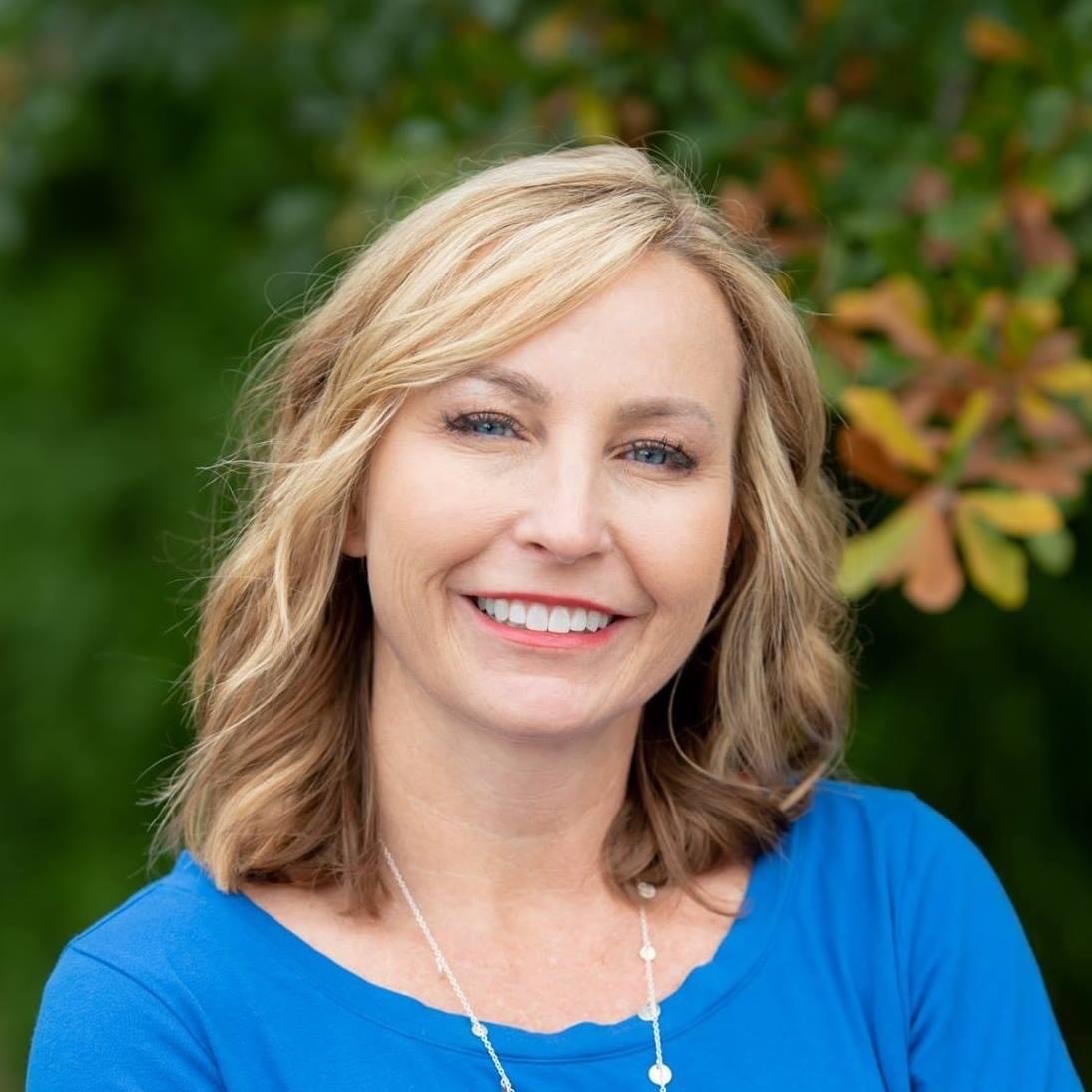
For this special episode of 'Hope in the Face of Cancer', CanCare President and CEO Darcie Wells joins Dorothy Gibbons, founder and CEO of The Rose, on The Rose Podcast: Let's Talk about Your Breasts for a heartfelt conversation about the power of support and connection in the cancer community.  

Together, they share what it takes to lead a nonprofit with compassion, how CanCare grew from a local Texas organization to serving people across all 50 states, and how the challenges of the pandemic sparked innovation and growth. Darcie also gives a behind-the-scenes look at the matching and training process that equips CanCare volunteers to walk alongside those facing cancer with empathy and understanding.  

This is more than a discussion about nonprofits—it’s a conversation about inspiration, dedication, and the impact of leading authentically. Join us for this inspiring exchange between two leaders dedicated to making a difference in the cancer community.

Mentioned Resources:

CanCare- www.cancare.org

About the Guest:

Dorothy Gibbons, founder and CEO of The Rose. Host of The Rose Podcast: Let's Talk about Your Breasts. The Rose is a nonprofit dedicated to ensuring every woman has access to life-saving breast health care.

Explore other Podcast Episodes

Ep 46

The Strength of Instincts

with Jackie Garcia
What happens when you know something is wrong with your body but no one will listen? In this episode of Hope in the Face of Cancer, Darcie Wells speaks with Jackie Garcia, a young adult cancer survivor whose persistence led to a life-saving diagnosis. For five years Jackie searched for answers while dealing with severe symptoms including rapid weight gain, intense pain, numbness in her legs, and overwhelming fatigue. Doctor after doctor dismissed her concerns and told her to simply lose weight or manage anxiety. At age 31, a CT scan finally revealed the truth. Jackie had a 20-pound tumor wrapped around multiple organs. After connecting with specialists at MD Anderson Cancer Center, Jackie underwent major surgery to remove the tumor. The moment she heard the words “you have cancer,” she felt something unexpected: relief. At last she had proof that she had been right about her body all along. Jackie shares how that experience changed the way she sees herself and her life. She learned to trust her instincts, show herself compassion, and slow down after years of pushing herself through work and stress. She also discovered the power of community through young adult cancer support groups and survivorship connections. Her message is simple and powerful. Trust your body. Ask for help. And remember that hope can still exist even in the hardest moments of a cancer journey. Highlights: • Trusting Your Body – Jackie explains how years of unexplained symptoms pushed her to keep advocating for answers even when doctors dismissed her concerns. • The Power of One Doctor Who Listens – A visiting physician ordered the CT scan that finally revealed the tumor and changed everything. • The Moment of Diagnosis – Jackie describes the surprising sense of relief she felt when she finally received an answer. • Life After Cancer Changes Priorities – Her experience shifted her mindset away from career obsession toward rest, self-compassion, and meaningful relationships. • Why Community Matters During Cancer – Support groups and survivor connections became a critical part of her emotional healing and survivorship. Mentioned Resources: CanCare- www.cancare.org Book – www.cancare.org/hopebook About the Guest: Jackie Garcia is a 31-year-old retroperitoneal liposarcoma survivor and advocate. She spent five years searching for answers before being diagnosed with a rare cancer and a 20-pound tumor she named “Tina”. Through it all, she discovered strength in humor, healing in community, and the profound truth that her body, even in its most vulnerable state, was still worthy of love. Now living with no evidence of cancer, Jackie shares her journey with tenderness and hope, walking alongside other young adults navigating cancer and reminding them they are never alone on this uncertain road.
Ep 45

One Man’s Breast Cancer Journey

with Rene Valdry
What does it look like when a man who is wired to strategize and stay in control faces a diagnosis he never expected? Male breast cancer is rarely discussed, yet it carries the same weight of fear, uncertainty, and identity shift as any cancer journey. In this thoughtful conversation, Rene Valdry shares what it was like to hear the words stage three breast cancer and begin navigating treatment while continuing to show up for work, family, and himself. Rene and Darcie explore the emotional reality men may struggle to express. They talk about the loss of control, the quiet anger, and the vulnerability of speaking the diagnosis out loud. They reflect on continuing to work during treatment, leaning on trusted friendships, and finding strength through support groups and shared experience. At its heart, this conversation centers on awareness, community, and the subtle ways cancer reshapes how a person listens, leads, and lives. His story is a reminder that even when life narrows to one step at a time, hope remains steady in connection and presence Highlights How noticing a subtle physical change during an ordinary workout led to a life-altering diagnosis Why male breast cancer often goes undetected and under-discussed What it means to surrender control when you are wired to strategize outcomes Hear how continuing to work during treatment created stability and purpose Discover the emotional complexity men may experience but struggle to express Learn why community, peer support, and shared experience change the cancer journey Mentioned Resources: CanCare- www.cancare.org Book – www.cancare.org/hopebook About the Guest: Rene Valdry is a male breast cancer survivor and advocate raising awareness about a disease most people don't realize affects men. Diagnosed with Stage III breast cancer in 2023 after noticing something unusual during a workout, his journey has deepened his faith and shaped his commitment to supporting others through cancer. Throughout treatment, Rene continued working while leaning on his faith, a support group, and his community. He describes a quiet intuition he's developed: the ability to recognize another cancer survivor before a word is spoken.